Empowering Lives: Navigating Cancer Treatment Options and Support Communities
Navigating the daunting world of cancer treatment can feel overwhelming. With numerous options at our disposal, how do we choose the path that aligns best with our needs? As we uncover the diverse cancer treatment options available today, we’re not just browsing lists; we’re venturing into the realm of hope, innovation, and community support. It’s about empowering lives through informed decisions, oncology awareness, and the courage to seek personalized care. So, grab a cup of coffee, as we embark on this enlightening journey together, exploring how various cancer therapies can impact our lives and those of our loved ones.
When we talk about cancer treatment options, the landscape has evolved dramatically over the past few years. From traditional chemotherapy and radiation therapy to cutting-edge immunotherapy and targeted treatments, the options are extensive. Each avenue offers distinct advantages and challenges. However, it’s essential to stay informed by engaging with the latest oncology news and cancer research findings. This knowledge enables patients and caregivers to make educated decisions that can lead to better treatment outcomes. Have you ever wondered how the therapies are designed specifically for the unique genetic makeup of a tumor?
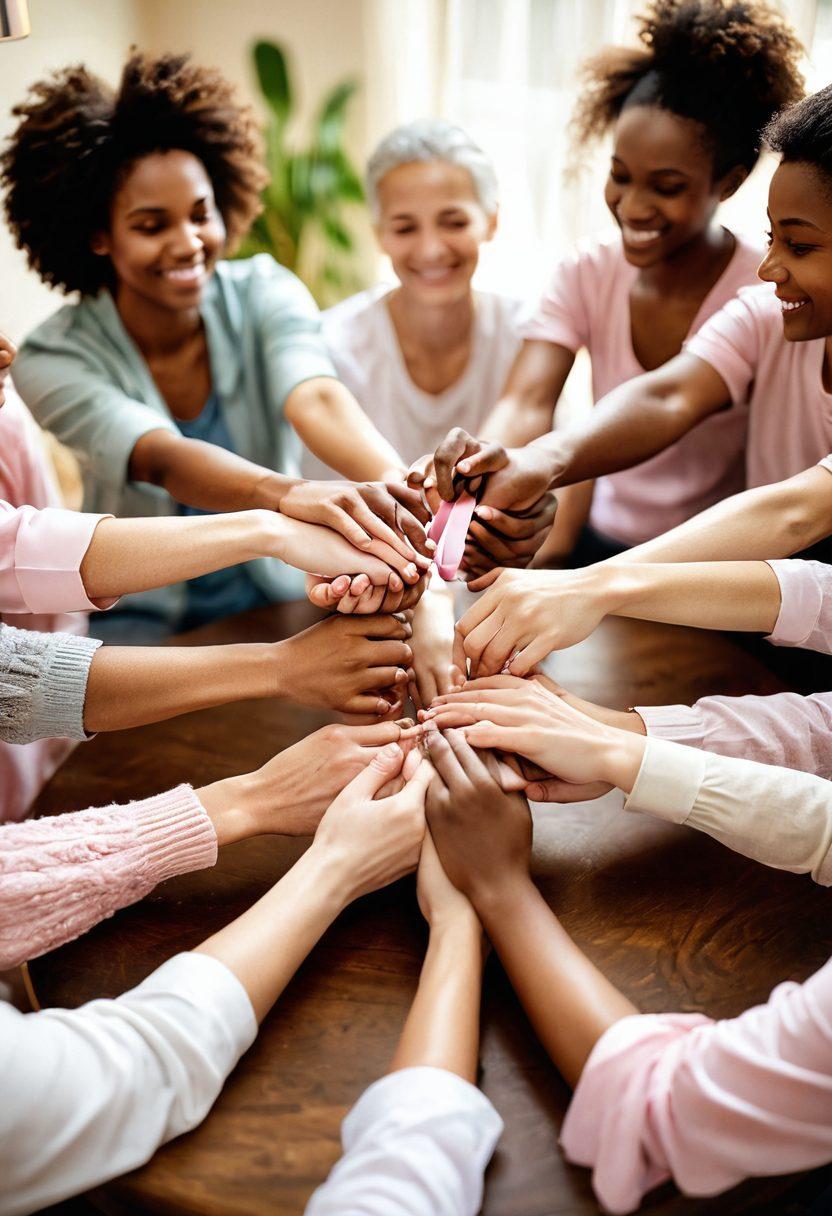
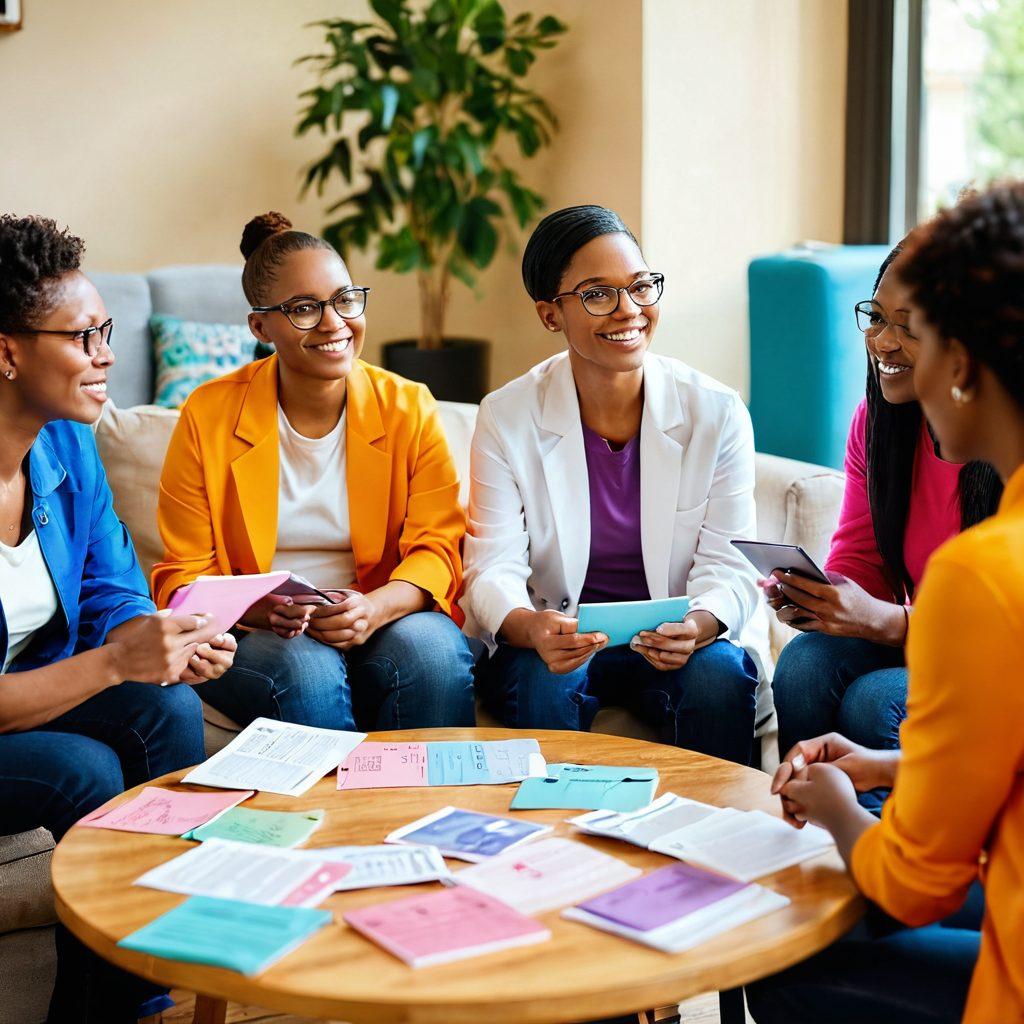
Among the myriad of resources available, cancer support groups play a vital role in the recovery journey. Picture this: a gathering of brave individuals, each with their own cancer stories, sharing experiences, fears, and hopes. This powerful form of psychosocial support can often bridge the gap between medical treatments and emotional healing. Cancer advocacy groups thrive on fostering such communities, allowing patients to find strength in unity. Have you considered joining a local support group, or maybe starting one within your community to facilitate discussion and connection?
Preventive health is another crucial aspect of cancer care that often goes unnoticed. We often talk about treatment breakthroughs, but what about cancer prevention strategies? By engaging in healthy lifestyle choices, regular screenings, and learning how to manage symptoms, individuals can take proactive steps to safeguard their well-being. This speaks volumes about the interconnectedness of health and wellness. How can we cultivate better habits and promote preventive measures in our communities?
Lastly, let’s not forget the importance of holistic health in cancer treatment. It’s not just about fighting cancer; it’s about nurturing the body, mind, and spirit in harmony. Many patients find solace in complementary therapies such as yoga, meditation, and nutrition. Survivor stories often highlight the transformative power of combining traditional treatments with holistic approaches. As we reflect on these diverse cancer treatment options and their impact, consider how you or someone you know can benefit from this holistic integration. What steps can you take today to cultivate a supportive environment for those facing cancer?
Building Strength: The Role of Support Communities in Cancer Care and Recovery
Navigating through a cancer diagnosis is like embarking on a treacherous journey. It tests your resolve, challenges your beliefs, and puts your emotional strength to the ultimate test. But what if I told you that you don't have to walk this path alone? The role of support communities in cancer care and recovery cannot be underestimated. These groups provide the much-needed emotional bulwark, helping individuals and families endure the storm together. As the renowned author and breast cancer survivor Joan Didion once said, "We tell ourselves stories in order to live." And within these communities, we find the stories that give us hope and strength to confront cancer head-on.
Support communities are not merely places to share stories; they are lifelines that intertwine the threads of oncology awareness and cancer advocacy. Whether through local cancer support groups or online forums that thrive with vibrant discussions, these communities embrace individuals seeking guidance on cancer treatment options and psychosocial support. Just ask Karen, a vibrant survivor whose journey began with a bleak diagnosis. She found solace and strength in connecting with others who understood her fears and triumphs. As she put it, "In a sea of confusion and fear, the community was my anchor." These groups become the vessels of collective knowledge, sharing cancer research findings and evidence-based cancer prevention strategies that are essential for holistic health.
Wondering if joining a support group is worth it? This is a common question among newly diagnosed patients. Research has shown that belonging to such groups fosters emotional resilience and promotes better symptom management. Whether it’s exchanging tips on navigating the healthcare system or celebrating treatment breakthroughs, these shared experiences create an environment of healing. Health blogs today are bursting with survivor stories—real examples of how community support has transformed the cancer journey for many. For anyone feeling isolation during their treatment, connecting with a strong community might be just what the doctor ordered.
When it comes to cancer care, a comprehensive approach is key. Support communities integrate preventive health measures with ongoing treatment, providing resources that can help patients manage their condition more effectively. Socially driven activities, educational workshops, and wellness programs contribute significantly to the overall experience of cancer patients. They also offer opportunities for patients to explore complementary therapies that can enhance their lives beyond medical treatments. As the astute Dr. Patch Adams once said, "You treat a disease, you win, you lose. You treat a person, I guarantee you win—no matter the outcome." The emphasis on patient support within these communities asserts that emotional health is just as important as physical health.
In conclusion, the role of support communities in cancer care and recovery stands paramount. It isn't just about fighting cancer; it's about winning the battle for your life with dignity, resilience, and love. These communities are where fear is transformed into hope and where cancer stories become powerful narratives of survival. So if you find yourself on this daunting path, look towards the vibrant support available around you. Whether through local cancer support groups or trusted health blogs, embrace the collective strength of community support, and remember—you are not alone in this journey. How will you reach out to others on your path to recovery?
From Awareness to Advocacy: Empowering Cancer Patients Through Knowledge and Community
In the fight against cancer, knowledge is one of our most powerful weapons. Imagine standing at the crossroads of uncertainty and empowerment, where the right information can illuminate the path forward. This journey, marked by oncology awareness, is critical in helping cancer patients make informed decisions regarding their treatment options. When we engage with compelling cancer stories and the latest oncology news, we not only arm ourselves with information but also connect with a community that understands the complexities of navigating cancer care. Through knowledge and a supportive network, we can turn the tide in the battle against cancer and work towards better health outcomes.
Have you ever wondered why some people feel lost amidst a sea of treatment options while others seem to glide through their experience with confidence? The answer often lies in community support. Cancer support groups serve as a lifeline for many, offering psychosocial support that fosters not only emotional healing but also a wealth of shared knowledge. These gatherings go beyond simply discussing symptoms; they empower individuals with strategic cancer prevention strategies and crucial cancer research findings. After all, who better to understand your journey than those who have traveled similar paths?
An intriguing aspect of cancer advocacy is its focus on removing the stigma surrounding cancer treatment. No longer are we just passive recipients of health care; we are champions of our own stories. Whether it is through health blogs recounting survivor stories or groups organizing awareness campaigns, we are changing the narrative. The more stories we share, the more powerful our united voice becomes. Ask yourself: how can your own experience contribute to the community? By becoming an advocate for health awareness and sharing your journey, you can inspire others to stand firm in their treatment decisions and feel less isolated on this challenging road.
Every cancer patient is unique, and their treatment should be tailored to their specific needs. The world of cancer treatment options is vast and ever-evolving, with treatment breakthroughs emerging regularly. From traditional chemotherapy to promising holistic health approaches, the choices can feel overwhelming. The key is to educate yourself continuously. Utilize health blogs and oncology resources to stay updated about the latest developments in cancer care and symptom management techniques. Remember, knowledge is not just power; it is also peace of mind. By understanding the array of options available, you can navigate your treatment journey with confidence and clarity.
In conclusion, the journey from awareness to advocacy is not just about fighting cancer; it's about thriving despite it. Through an interconnected community, patients find strength, resilience, and the motivation to advocate for themselves and others. Join support groups, attend meetings, engage with health and wellness resources, and keep your passion for cancer advocacy alive. Harness the power of community support in your fight for life, and know that you are not alone. Every step taken in knowledge and collaboration brings us closer to a future where cancer is not just treated but defeated.